Exeter Silicone Services
Kitchen sealant and worktop sealing
Worktop to wall joints, upstands, splashbacks and the run round an inset sink, sealed with the old line taken out first. £95 on its own.
£95including VAT and the silicone. The full price card
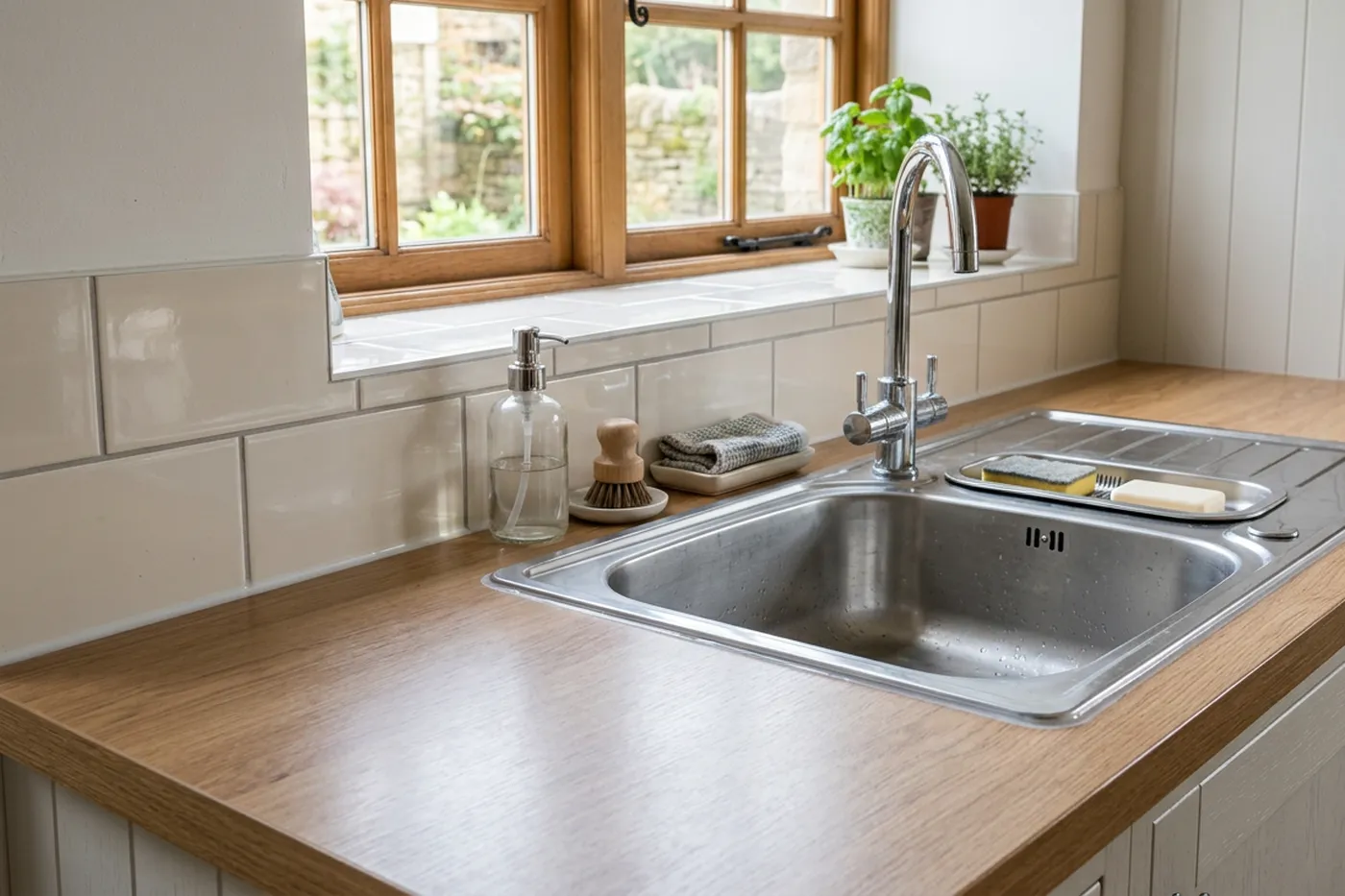
A kitchen joint fails quietly. Nobody looks behind the kettle, and by the time the sealant along the back of the worktop has gone brown and lifted, water has been running down the back of the units for a while. On a laminate worktop that shows up as a swollen edge that will not go back down.
The work covers the worktop to wall joint, the run behind an upstand or a splashback, the joint round an inset sink or a drainer, and the hob surround where there is one. It is the same method as a bathroom: strip out, clean, dry, seal, tool.
£95 on its own including VAT and silicone. Added to a bathroom booking on the same visit it is £35, because the set up and the kit are already there.
What is included
- Worktop to wall joint along the full run
- Upstand and splashback joints, top and bottom
- Round an inset sink or drainer, and the tap base where it needs it
- Hob surround where the hob sits in the worktop
- Old sealant stripped out rather than sealed over
- Clear or white silicone, or a colour matched to the worktop where one exists
- Surfaces wiped down and the old material taken away
Sinks, taps and the joint nobody can see
The joint round an inset sink is the one that matters most and the one that gets least attention, because half of it is under the rim where nobody looks. On a laminate worktop that joint is the only thing between standing water and chipboard, and once chipboard is wet it swells and stays swollen.
The clip-down sinks in most kitchens were bedded on sealant when they were fitted, and that bedding is a consumable. If the sink moves at all when you lean on it, the bedding has gone and the sink wants lifting, cleaning and re-bedding rather than a line run round the outside.
Worktop materials change the answer
Laminate is the common case and the one with the most to lose, because the core is chipboard and water damage there is permanent. Solid timber moves seasonally and wants a joint sized for that movement. Quartz, granite and solid surface do not move and take a tighter, neater line.
The silicone changes too. A neutral cure silicone goes on natural stone rather than an acetoxy one, because the acetic acid in a standard bathroom sealant can mark some stones and can corrode the fixings behind the joint. It is the sort of detail nobody notices until it is wrong.
The joint behind a kitchen tap
The seal round the base of a mixer tap is the joint that fails first in most kitchens and the one nobody thinks of as a joint at all. Every wash sends water round the base, the tap gets nudged sideways a hundred times a week, and there is usually nothing under it but a rubber washer that went hard years ago.
On a laminate worktop that leak goes straight down into the cut-out edge, which is unsealed chipboard on most kitchens fitted before about 2010. By the time anything shows on the surface the edge of the cut-out has been wet for months.
Sealing round a tap base is part of a kitchen booking and it is worth asking for even when the worktop joint looks fine. If the tap itself is loose the fix is tightening it from underneath rather than sealing round it, and you get told which of the two you have.
On the day
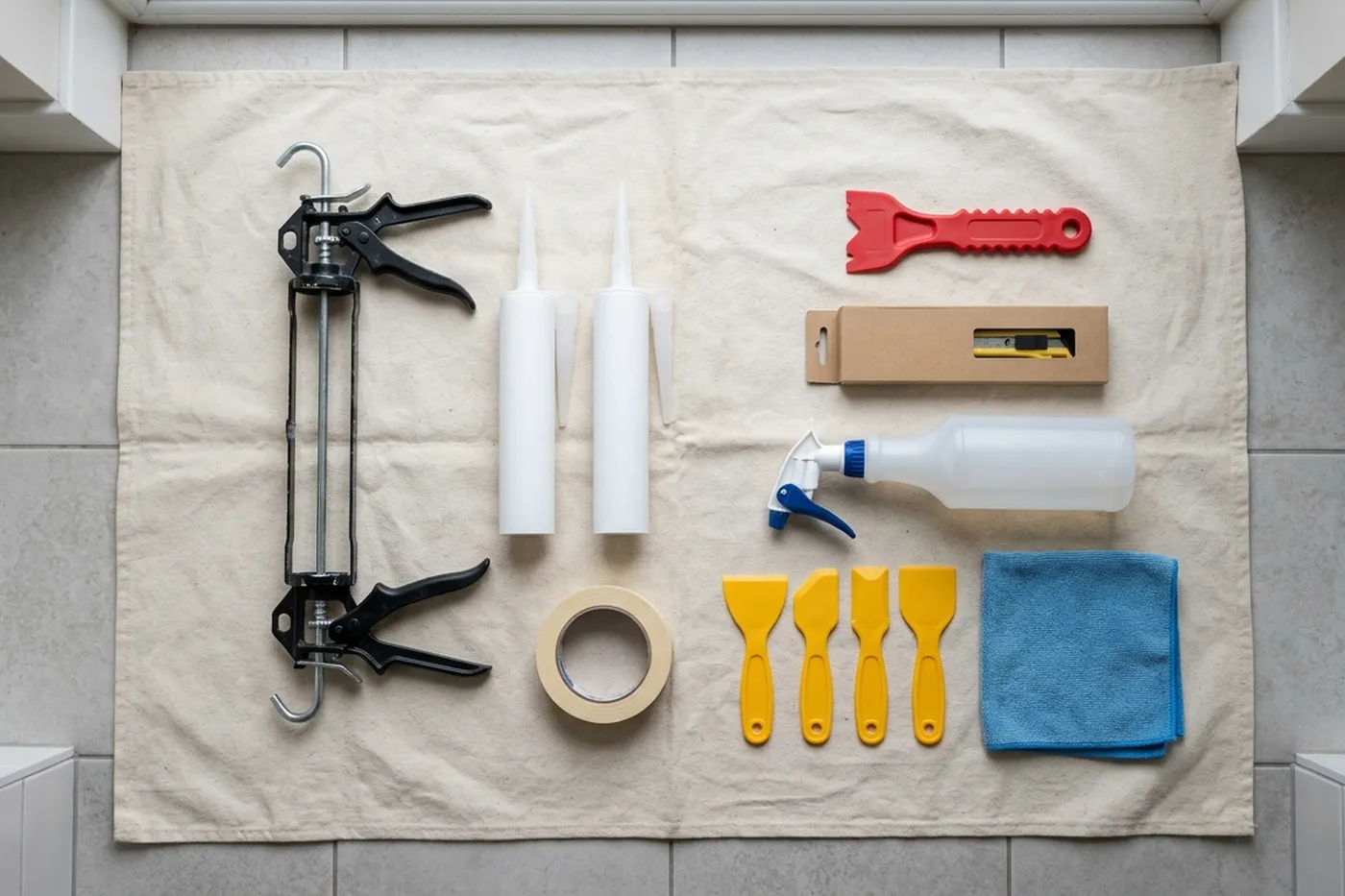
How a kitchen sealant runs
Clear the run
Everything off the worktop and back from the wall. Ten minutes that decides whether the bead is straight, because a joint sealed round a toaster is a joint sealed badly.
Cut the old line out
Blade along the tile or the painted wall, plastic tool on the laminate or the stone. Old kitchen sealant is usually thinner and harder than bathroom sealant and it comes off in pieces rather than ribbons.
Degrease, then dry
A kitchen joint has cooking grease in it as well as residue, and silicone will not bond through grease. Degreaser first, then a solvent wipe, then dry.
Seal and tool
Masked both sides, run in one pass, tooled to a shallow concave finish so nothing catches crumbs, tape pulled wet.
Give it the evening
Wipe the worktop rather than washing it down for the rest of the day, and keep water off the joint overnight. Normal use the next morning.
Behind the work
Kit, cover and qualifications
The work is done by Sam Hembury and the crew he trains, trading as Hembury Contracting out of Exeter. One entity, one VAT registration, one invoice.
Read what people say about Hembury Contracting
- Hembury Contracting
- Exeter Silicone Services is a service line of Hembury Contracting, Sam Hembury's Exeter business. Same trading entity, same invoices, same VAT registration.
- Public liability cover
- Insured for work in your home and in occupied rented property. A copy of the certificate goes over by email if you want to see it before booking.
- Published prices
- The price card is on the site rather than behind a form, VAT included and silicone included. You can work out what your job costs before you get in touch.
- The old joint comes out
- Every layer, plus the residue film underneath it, before anything new goes on. That is the part that takes the time and it is the part that decides how long the new bead lasts.
Kitchen sealant
Kitchen sealant and worktop sealing questions
Can you match the sealant to the worktop?
Usually. Clear, white, grey, black and a couple of stone tones are all available off the shelf, and clear is what most kitchens end up with because it disappears against any colour. Tell us the worktop when you book and the right cartridge comes with the van.
The worktop has swollen at the sink. Can sealing fix it?
No. A swollen laminate edge is chipboard that has taken water and expanded, and it does not go back. Sealing the joint stops it getting worse from that point on, which is worth doing, but the edge stays as it is. Replacing that worktop section is a separate job and Hembury Contracting can price it.
Do you do the joint behind the hob?
The sealant joints round it, yes. Nothing on this site is gas work. If a hob has to be lifted out to get at a joint properly, and it is a gas hob, that is a Gas Safe engineer's job and it will be said plainly rather than worked around.
Where
Kitchen sealant and worktop sealing across Exeter and Devon
- Exeter
- Heavitree
- St Thomas
- Pinhoe
- Alphington
- Ide
- Topsham
- Exmouth
- Budleigh Salterton
- Sidmouth
- Dawlish
- Teignmouth
Also on this site
The rest of what gets resealed
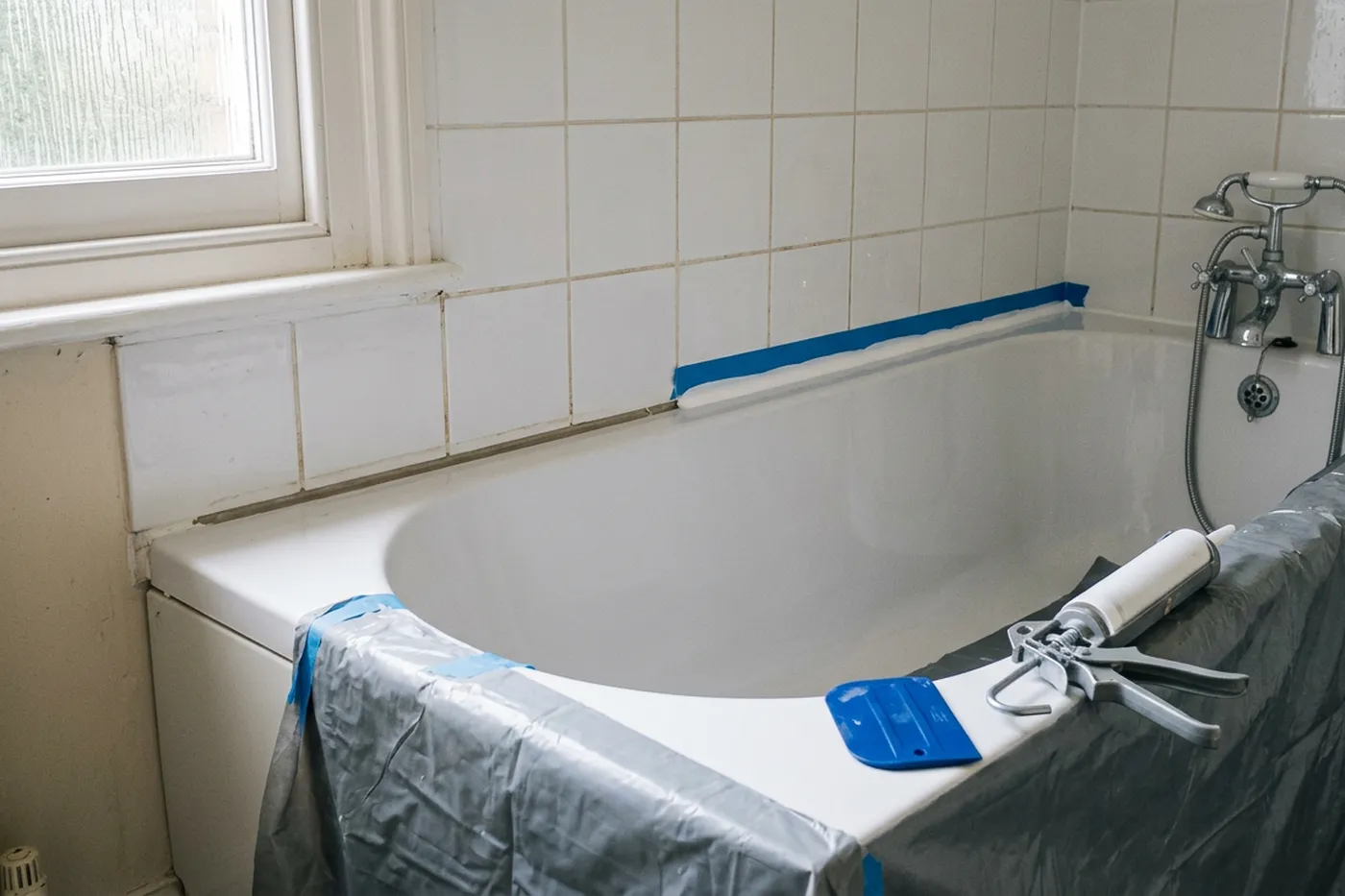 £95inc VATBath resealingThe old sealant round the bath stripped out completely, the joint cleaned back and dried, and a fresh sanitary bead run and tooled. £95 including VAT and silicone.
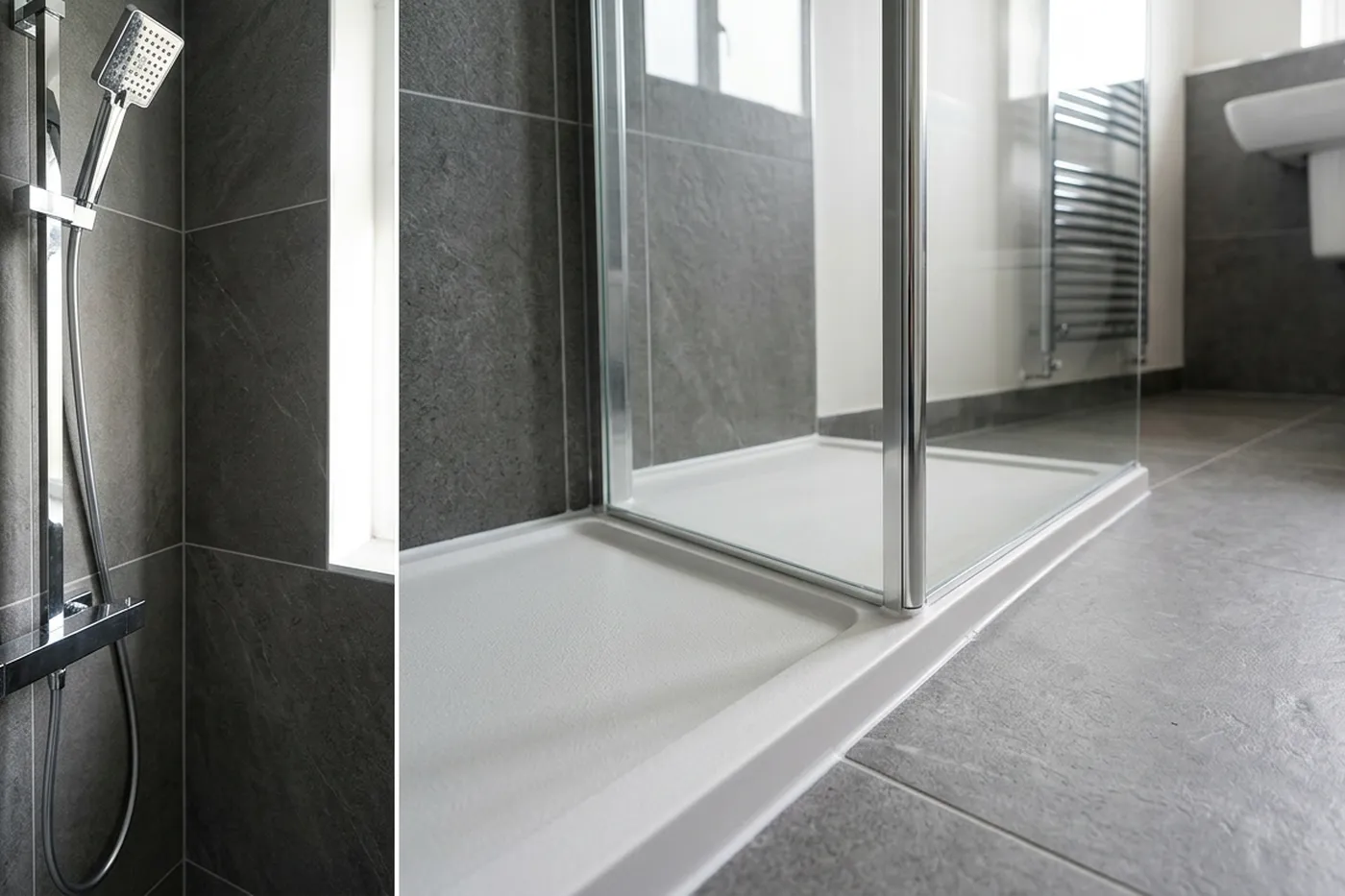 £95inc VATShower resealingTray, base, internal corners and the foot of the screen or enclosure resealed properly, with the old joint taken right out. £95 including VAT and silicone.
 £95inc VATSilicone removal and replacementThe full strip out: mouldy, lifting or badly applied sealant taken out completely, the joint cleaned back to bare surfaces, and a new bead run properly.
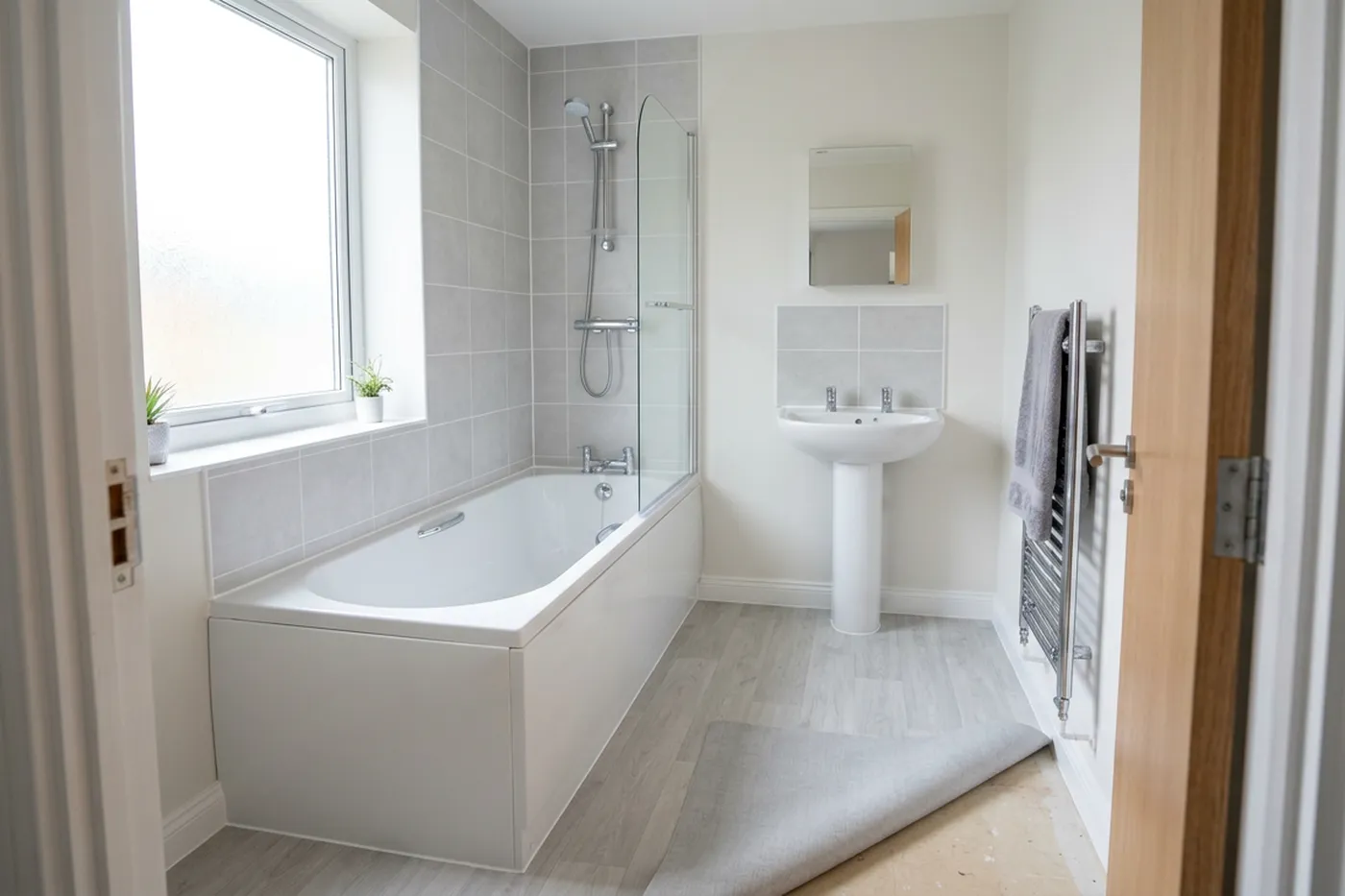 £185inc VATWhole bathroom resealingBath, shower, basin, screen and every tiled splashback run stripped and resealed on one visit. £185 including VAT and silicone.
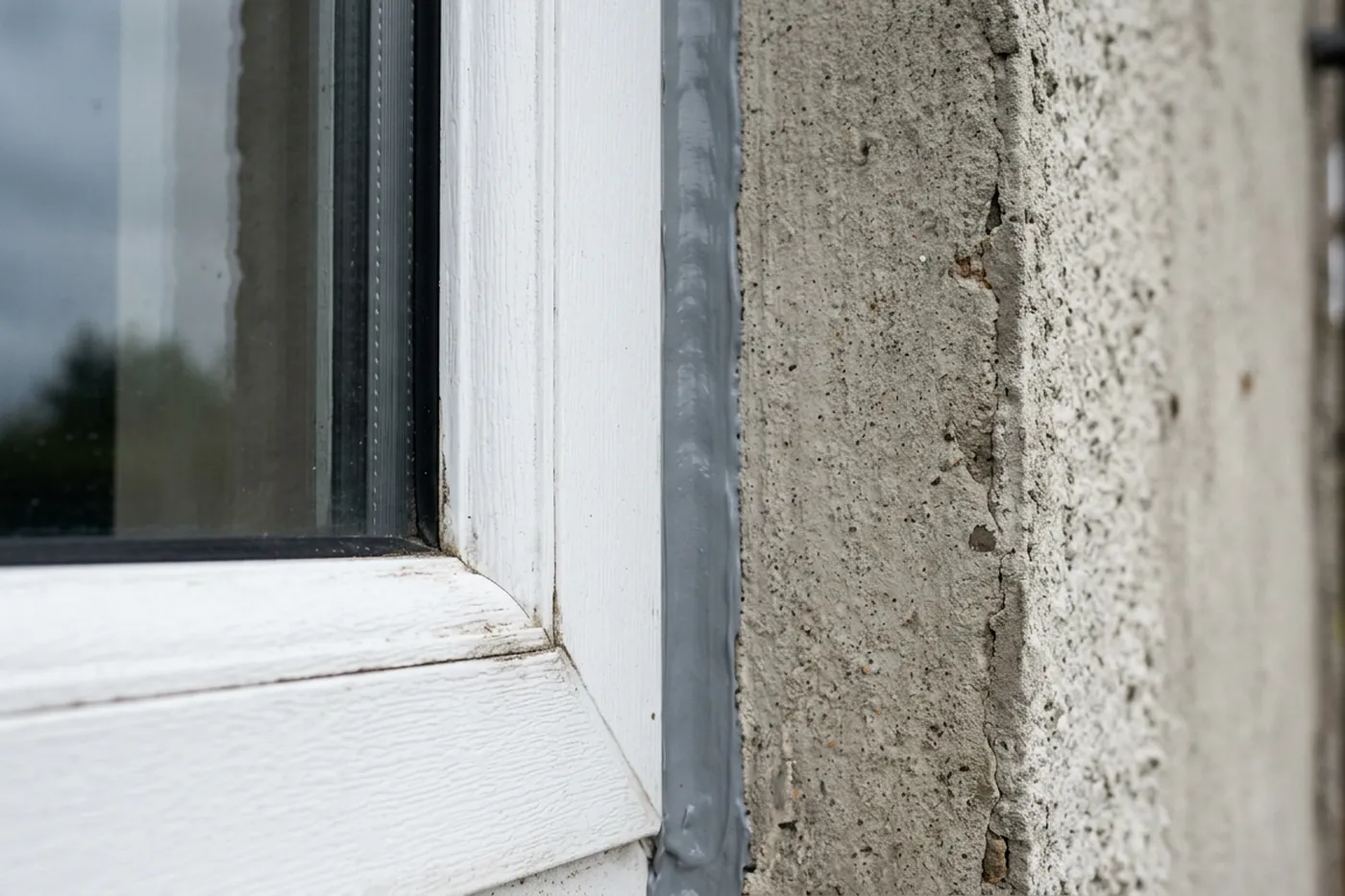 Window and door sealingPerimeter joints round window and door frames, inside and out, where the sealant has gone hard, cracked or pulled away from the frame.
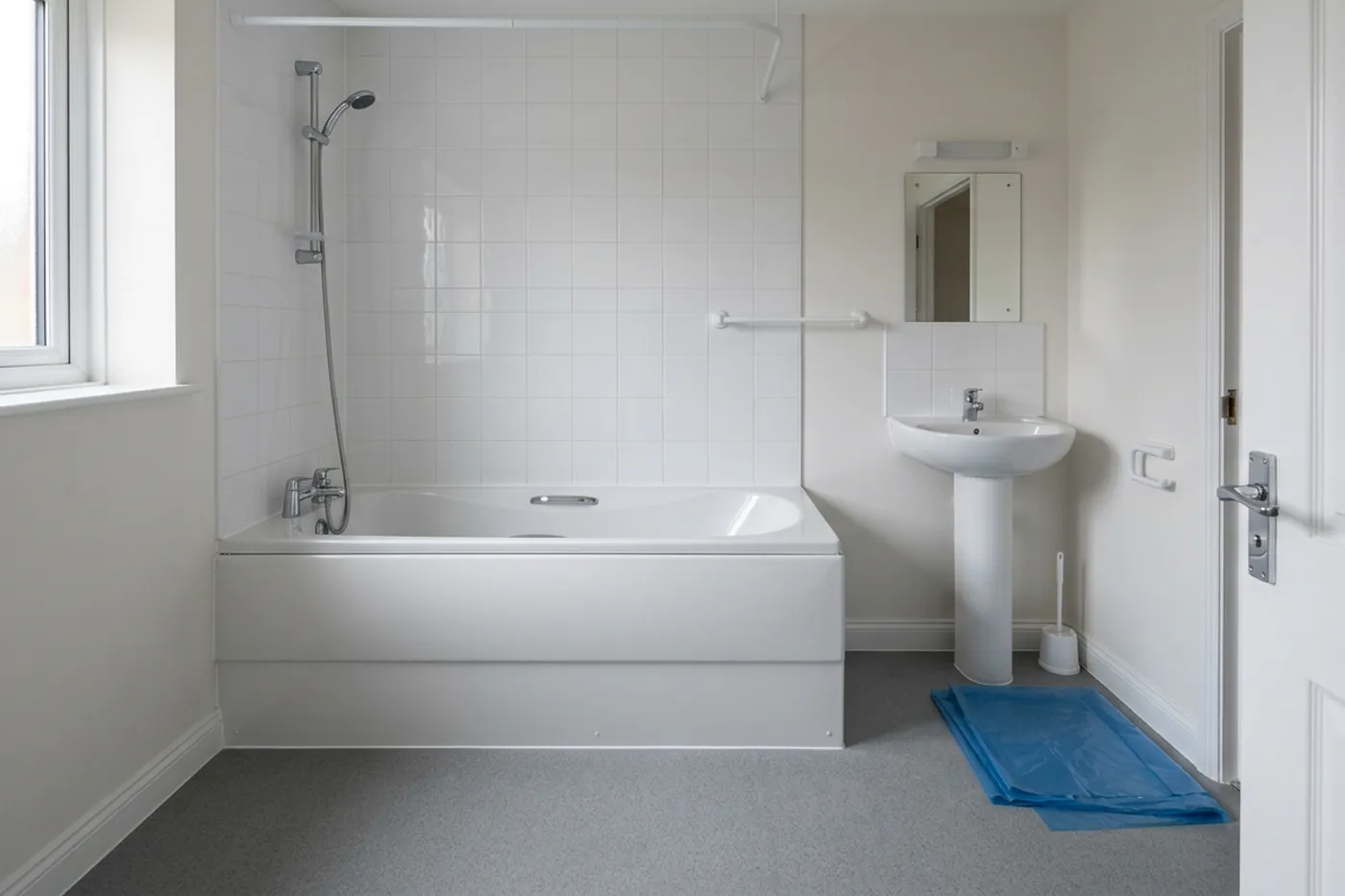 Sealant repairs for landlords and agentsBooked with the tenant, photographed before and after, invoiced to the agent or the landlord. Fixed prices per bathroom so a job can be approved without a site visit.
Get a price
Book a reseal with Exeter Silicone Services
Send a photograph of the joint and say which fittings need doing. Back comes the price off the published card and the next free slot. Ringing is quicker if you want a date fixed today.
- Bath or shower
- £95
- Both on one visit
- £150
- Whole bathroom
- £185
VAT and silicone included. Minimum charge £95.