Exeter Silicone Services
Silicone removal and replacement
The full strip out: mouldy, lifting or badly applied sealant taken out completely, the joint cleaned back to bare surfaces, and a new bead run properly.
£95including VAT and the silicone. The full price card

This is the same work as a bath or a shower reseal, described by the part people search for. Somebody has already tried. There are two or three beads on top of each other, one of them is black, one of them is peeling, and the last one was run without taking the previous ones off.
The job is the removal. Once a joint is properly back to bare tile and bare acrylic, sealing it is fifteen minutes. Getting it there when there are four layers, a bead of decorator's caulk somebody used by mistake, and a strip of that peel-off sealant tape underneath it all, is the hour.
It is priced as the fitting it is round: a bath, a shower, a kitchen run or a whole bathroom. Extra layers are extra time and you are told before it starts rather than on the invoice.
What is included
- Every layer removed, including caulk and sealant strip
- Blade work on tile and glass, plastic tools on acrylic and stone
- Silicone residue taken off with a purpose made remover, not just scraped
- Mould treated at the surfaces rather than sealed in
- Joint solvent wiped and dried before the new bead
- A photograph of the bare joint before the new silicone goes on, if you want one
- New sanitary grade silicone with a fungicide, tooled and tape pulled wet
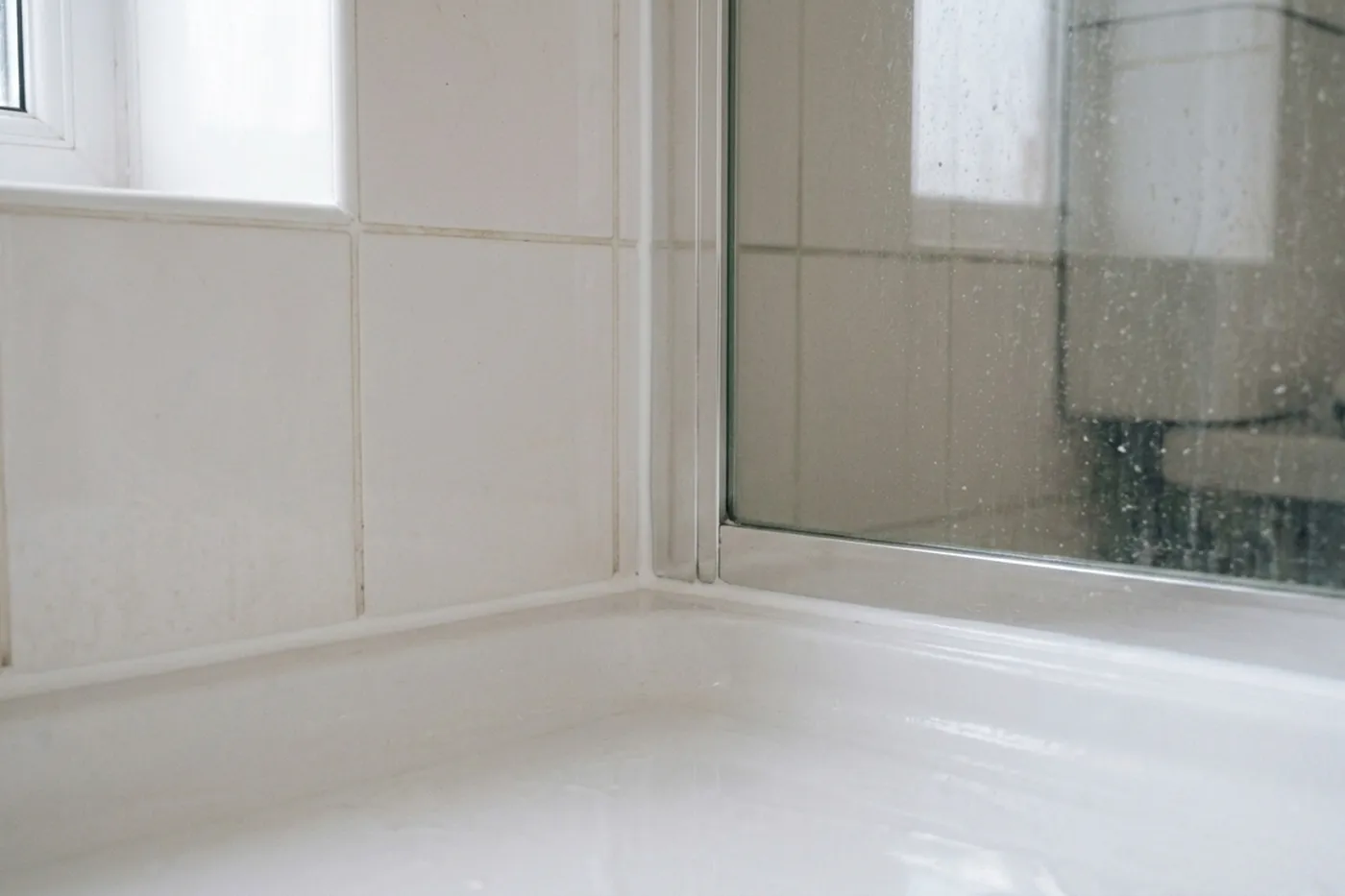
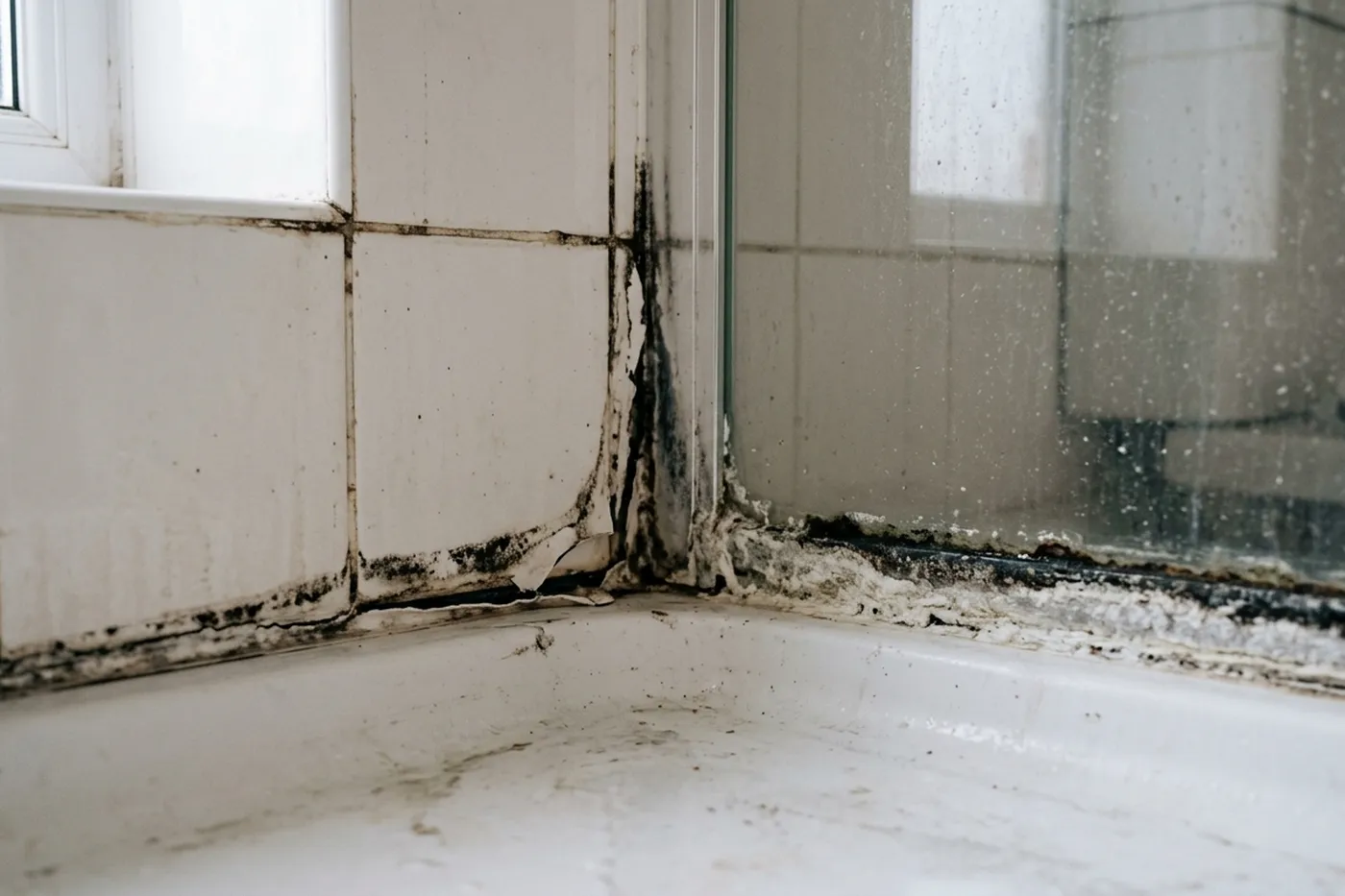
Before and after
A shower corner and tray edge
Why the residue matters more than the bead
Once the visible silicone is off, what is left on the tile is a film a fraction of a millimetre thick that you can barely see and can definitely feel. New silicone applied onto that film bonds to the film, and the film is only loosely attached to the tile.
That is the single most common reason a reseal done by somebody in a hurry fails inside a year, and it is invisible on the day it is done, which is why it keeps happening. Taking the residue off with a proper remover rather than a scraper is ten minutes and it is the difference.
What sealant strip and caulk do in a wet joint
Self adhesive sealant strip is sold as an easy fix and it works for about a season. Underneath it the joint is still whatever it was, and the strip itself holds water against the tile along its whole length. It comes off in one piece and it usually brings a surprise with it.
Decorator's caulk in a bath joint is the other one. It is a painter's material, it is not waterproof, and it goes soft and grey when it stays wet. It happens because the tubes look the same on the shelf. It has to come out; nothing sticks to it and it will not stop water.
How long the removal actually takes
A joint that has been sealed once and is coming away cleanly is fifteen minutes. A joint with three layers, one of them acrylic caulk that has gone soft, over a strip of sealant tape, in a corner you cannot get a blade square to, is an hour on its own before anything new goes near it.
That is the whole reason a photograph is worth sending before a job is booked. Layers show up in a picture: you can see the stepped edge where each bead was run slightly wider than the last, and you can usually see whether the black is in the material or on it.
Nothing about that changes the published price for a standard job. It changes whether the job is standard, and it is better for both sides to know that on a Tuesday afternoon by message than on the doorstep on Friday morning.
On the day
How a removal and replacement runs
Look at what is actually there
Layers counted, materials identified, and anything that is not silicone flagged. Acrylic caulk in a wet joint behaves completely differently and wants taking out rather than sealing over.
Bulk removal
The thick of it comes away with a blade held nearly flat to the tile, then a plastic tool where the surface is soft. Nothing is prised, because a scored acrylic bath is permanent.
Residue
The thin film left behind is the part that ruins the next bead, and it does not come off with a scraper. A silicone remover is left on it, then it is wiped off and the surfaces are cleaned.
Treat and dry
Any mould left on the tile or the acrylic is treated at the surface, and the joint is dried out. A joint that has held water for a year is wetter than it looks.
Reseal properly
Masked, run in one pass, tooled concave, tape pulled while wet, and the room left for a day.
Behind the work
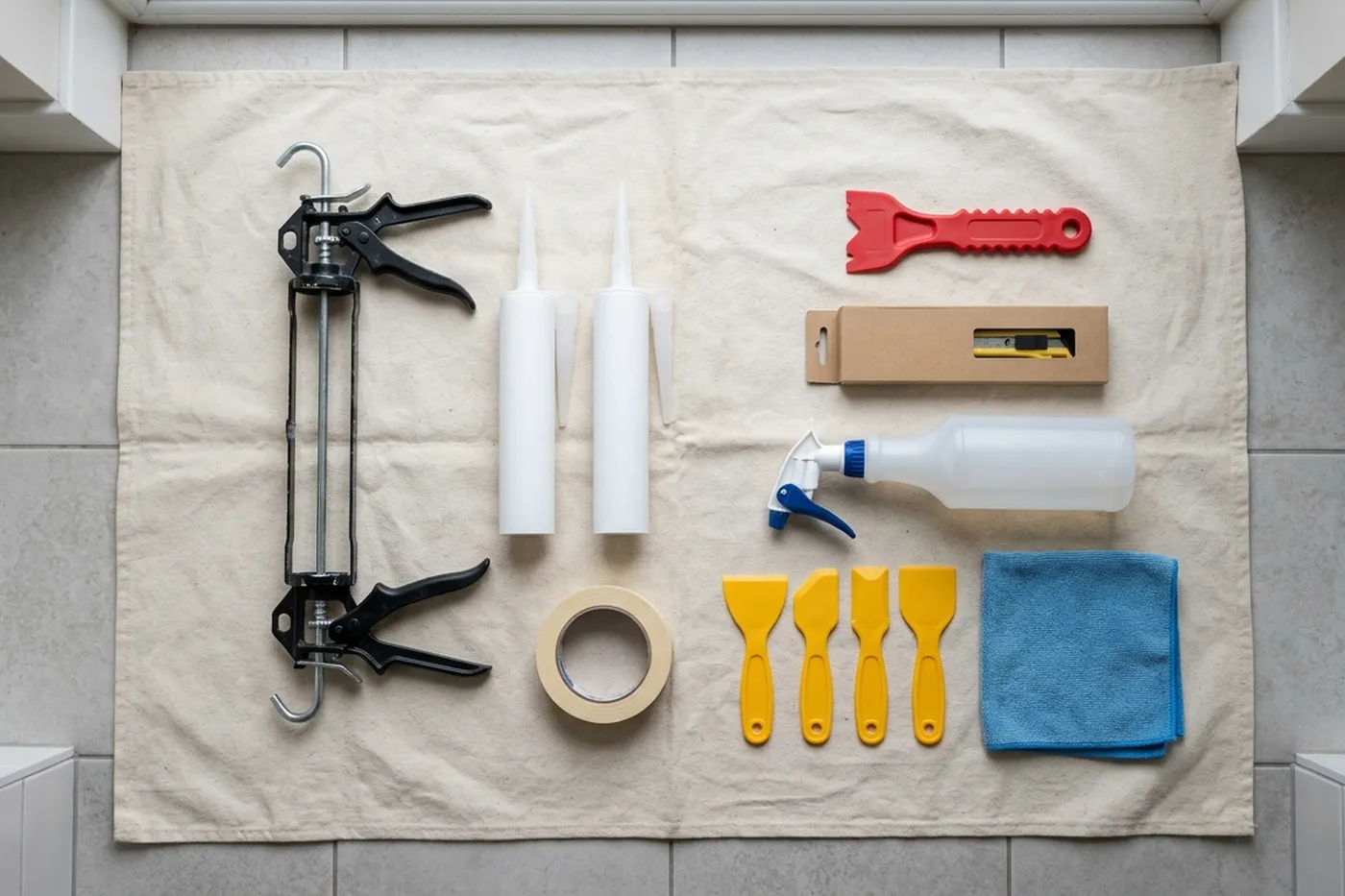
Kit, cover and qualifications
The work is done by Sam Hembury and the crew he trains, trading as Hembury Contracting out of Exeter. One entity, one VAT registration, one invoice.
Read what people say about Hembury Contracting
- Hembury Contracting
- Exeter Silicone Services is a service line of Hembury Contracting, Sam Hembury's Exeter business. Same trading entity, same invoices, same VAT registration.
- Public liability cover
- Insured for work in your home and in occupied rented property. A copy of the certificate goes over by email if you want to see it before booking.
- Published prices
- The price card is on the site rather than behind a form, VAT included and silicone included. You can work out what your job costs before you get in touch.
- The old joint comes out
- Every layer, plus the residue film underneath it, before anything new goes on. That is the part that takes the time and it is the part that decides how long the new bead lasts.
Removal and replacement
Silicone removal and replacement questions
Will removing the old silicone damage the tiles or the bath?
Not with the right tools. Blades are used flat against glazed tile and glass, where they cannot bite, and plastic tools on acrylic, stone resin and painted surfaces, which score easily. Anything already chipped or crazed under the old bead is pointed out before work starts rather than after.
Can I just do it myself with a scraper?
Plenty of people do, and the two things that catch them out are the residue film left on the tile and the drying time. Miss either and the new bead fails early. If you want to have a go, take the old material off and leave the joint bare and dry for a day before you seal it.
There is mould on the wall as well as in the joint.
Then the joint is a symptom. Mould spreading onto the tile grout and the ceiling is a ventilation problem, and a new sealant line does not change the humidity in the room. You get told that, along with what usually fixes it, rather than being sold a bead that will look the same in a year.
Where
Silicone removal and replacement across Exeter and Devon
- Exeter
- Heavitree
- St Thomas
- Pinhoe
- Alphington
- Ide
- Topsham
- Exmouth
- Budleigh Salterton
- Sidmouth
- Dawlish
- Teignmouth
Also on this site
The rest of what gets resealed
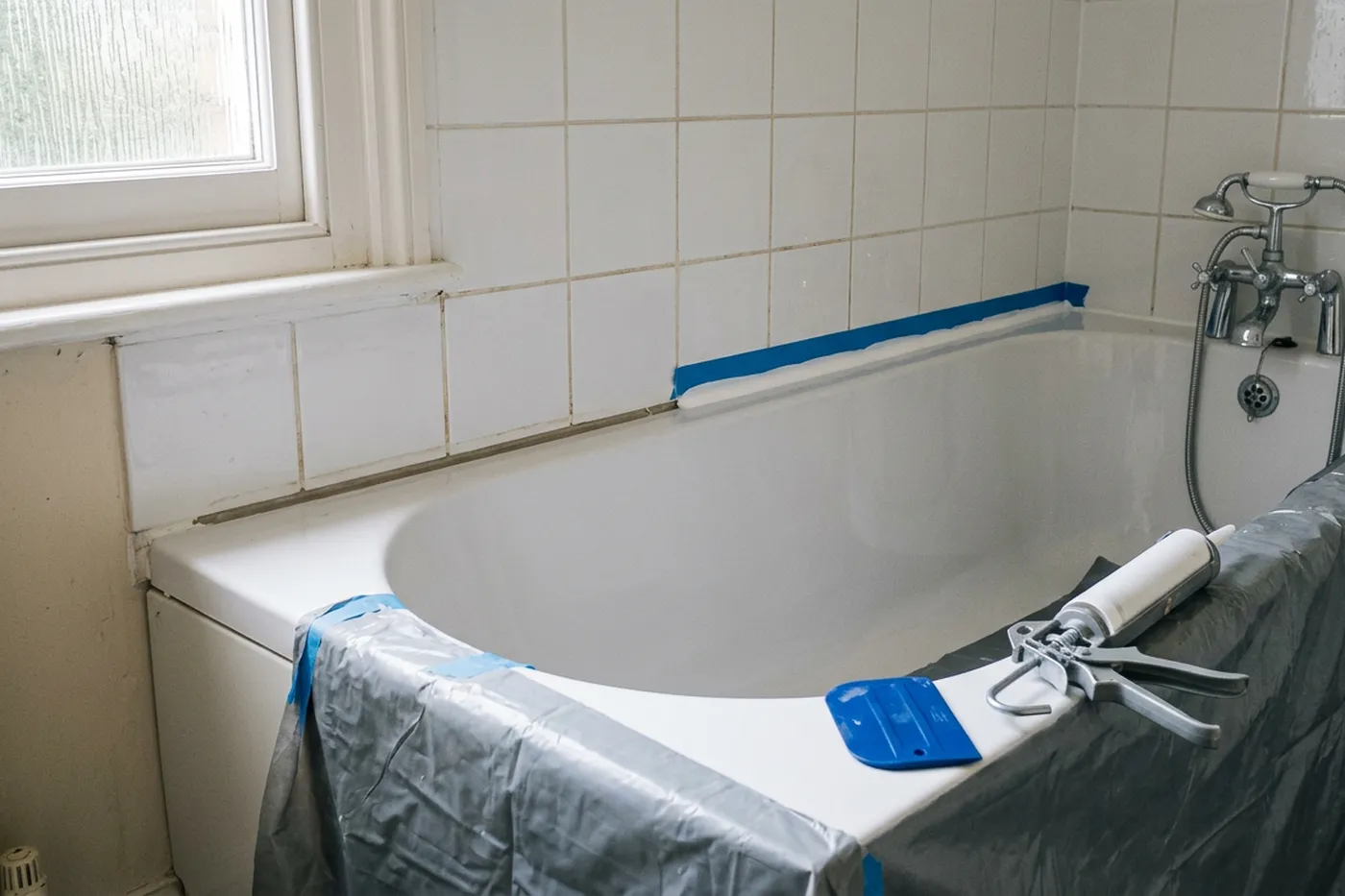 £95inc VATBath resealingThe old sealant round the bath stripped out completely, the joint cleaned back and dried, and a fresh sanitary bead run and tooled. £95 including VAT and silicone.
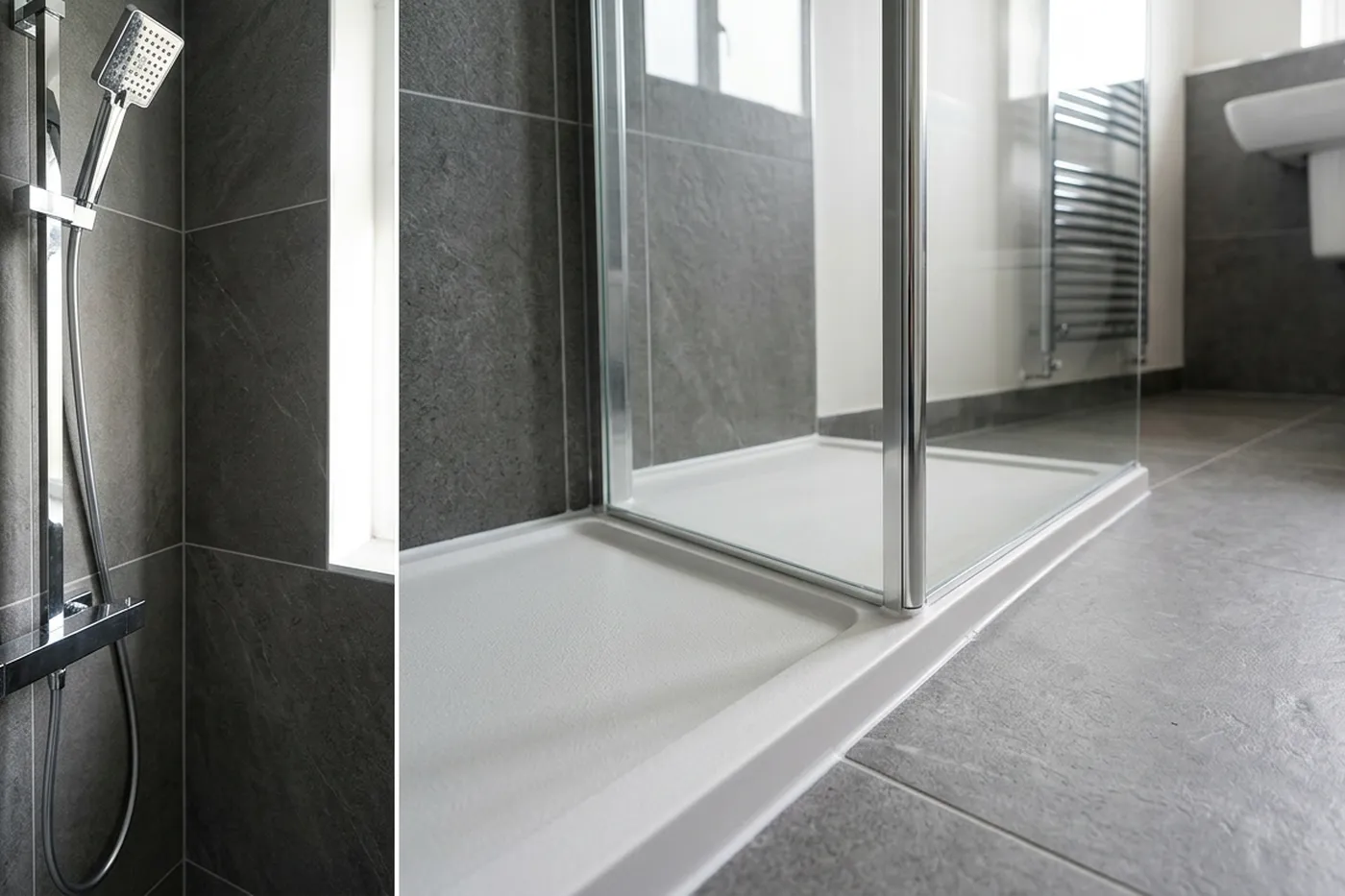 £95inc VATShower resealingTray, base, internal corners and the foot of the screen or enclosure resealed properly, with the old joint taken right out. £95 including VAT and silicone.
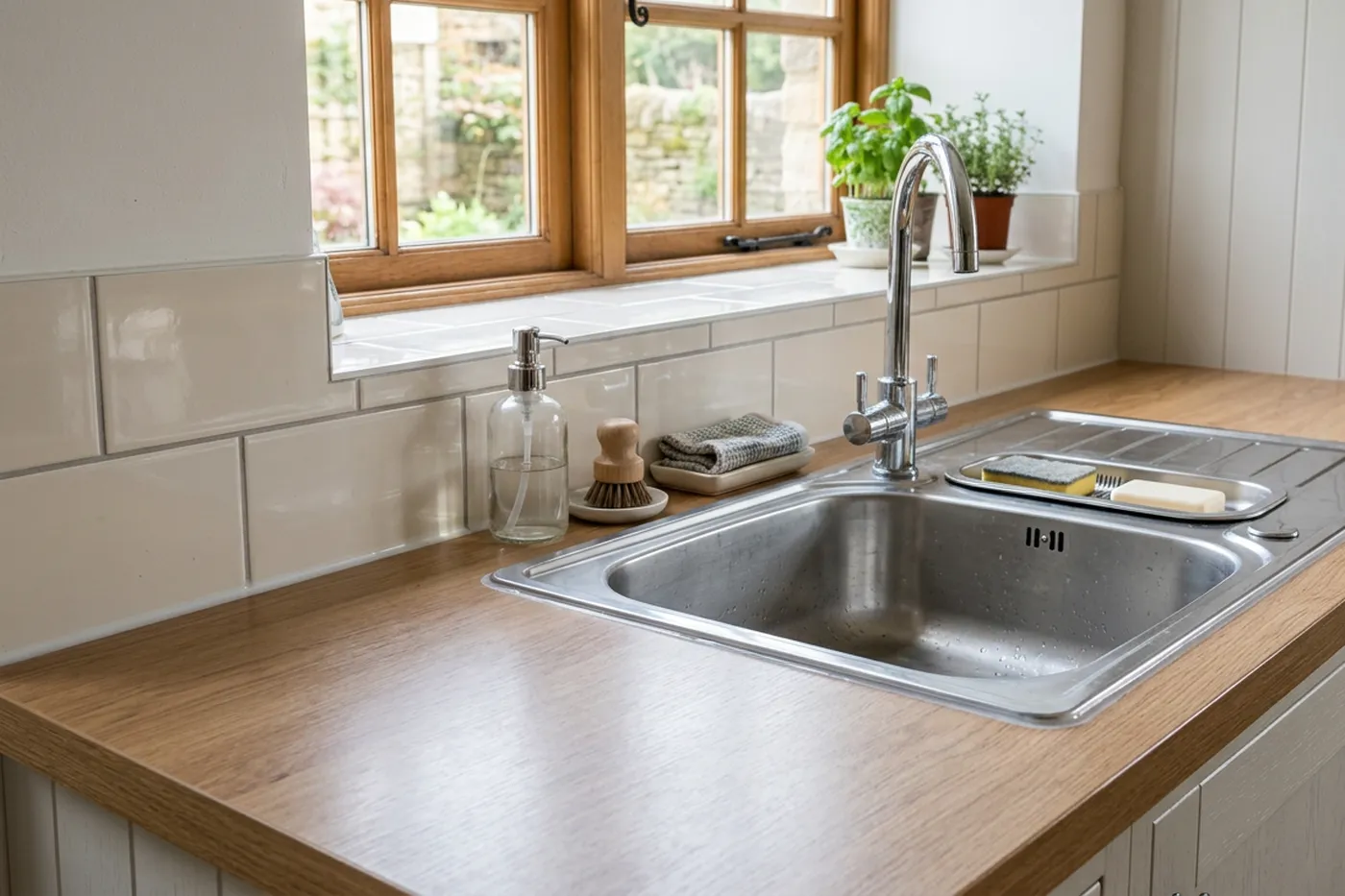 £95inc VATKitchen sealant and worktop sealingWorktop to wall joints, upstands, splashbacks and the run round an inset sink, sealed with the old line taken out first. £95 on its own.
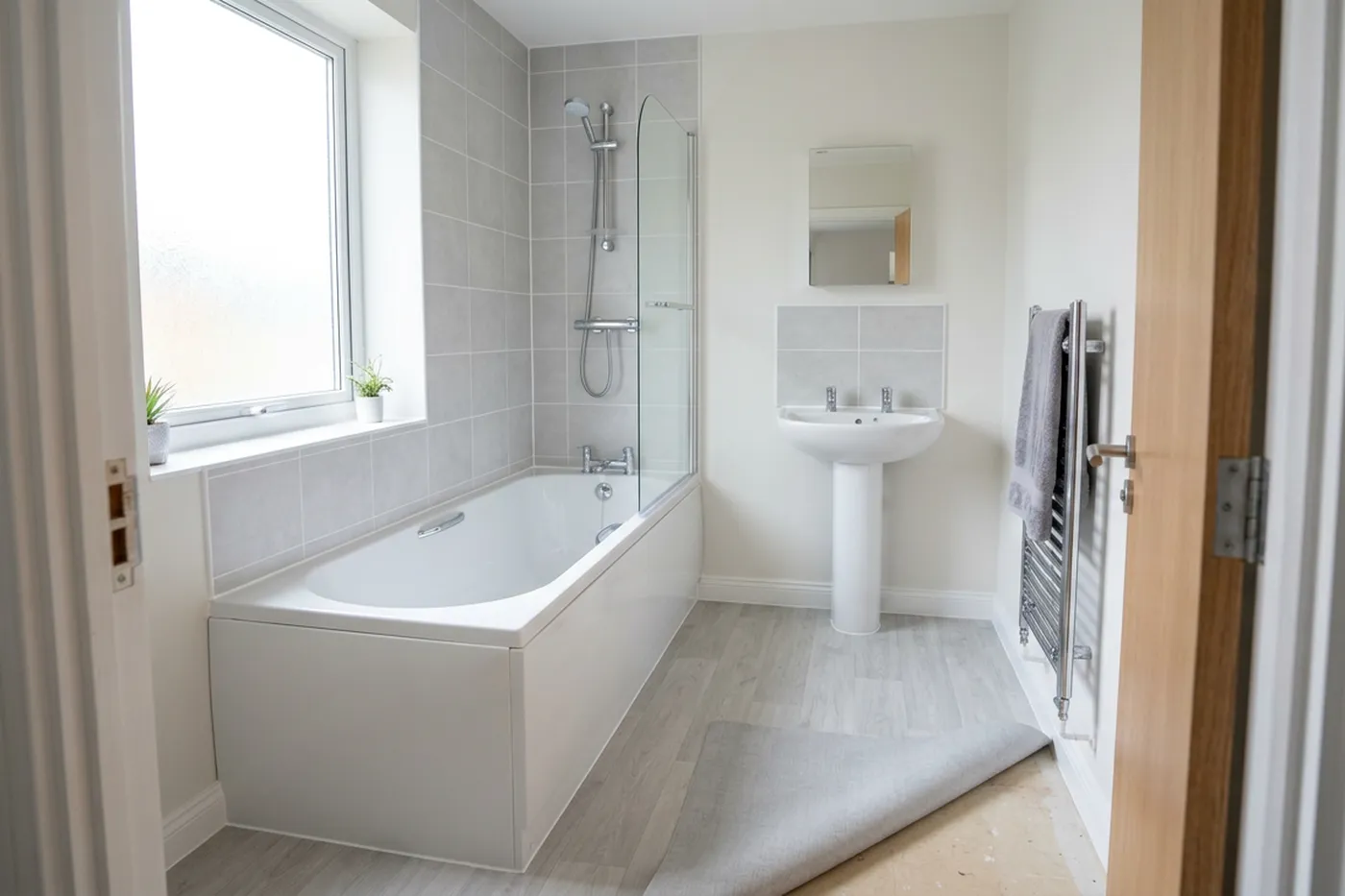 £185inc VATWhole bathroom resealingBath, shower, basin, screen and every tiled splashback run stripped and resealed on one visit. £185 including VAT and silicone.
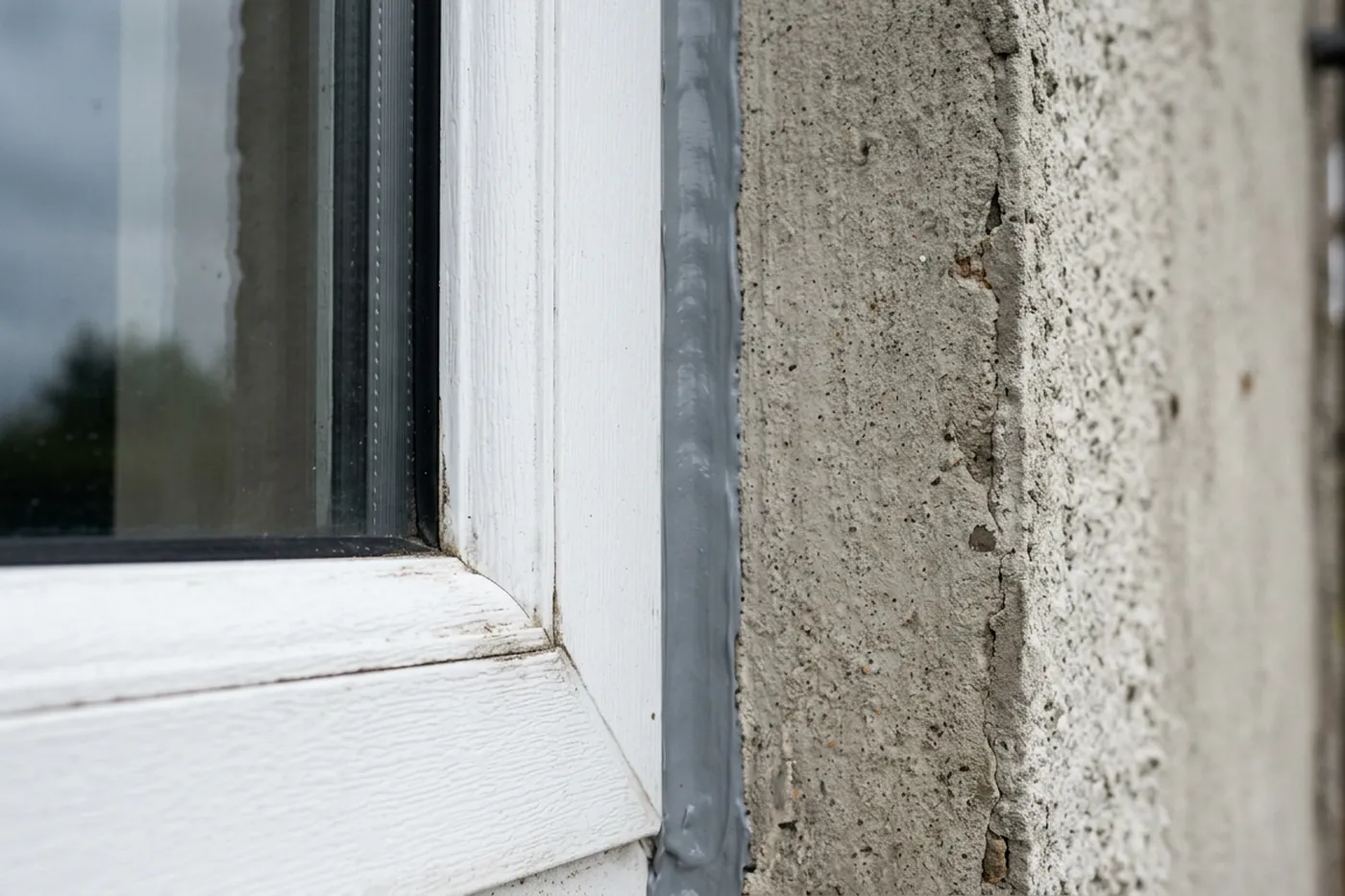 Window and door sealingPerimeter joints round window and door frames, inside and out, where the sealant has gone hard, cracked or pulled away from the frame.
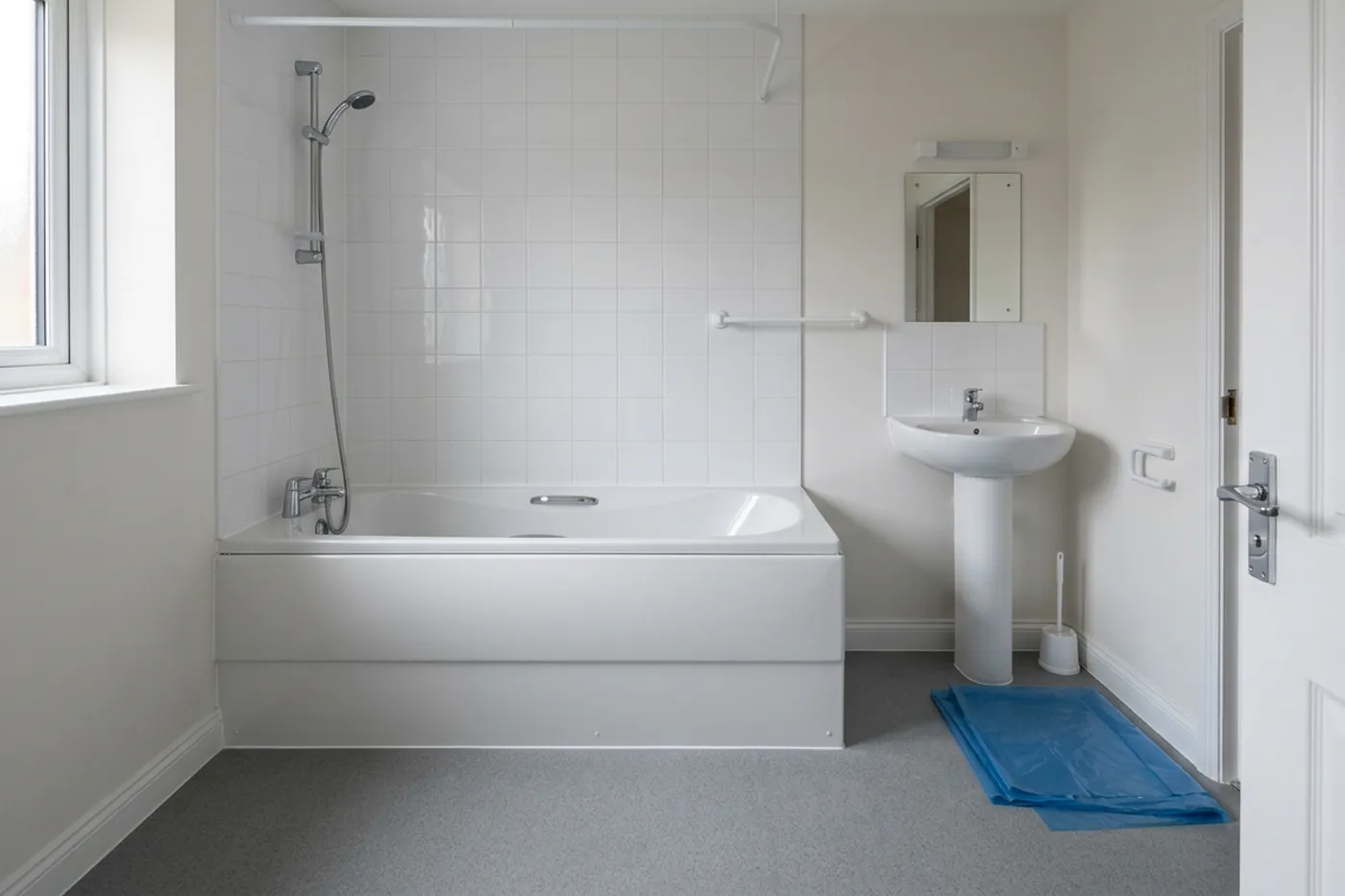 Sealant repairs for landlords and agentsBooked with the tenant, photographed before and after, invoiced to the agent or the landlord. Fixed prices per bathroom so a job can be approved without a site visit.
Get a price
Book a reseal with Exeter Silicone Services
Send a photograph of the joint and say which fittings need doing. Back comes the price off the published card and the next free slot. Ringing is quicker if you want a date fixed today.
- Bath or shower
- £95
- Both on one visit
- £150
- Whole bathroom
- £185
VAT and silicone included. Minimum charge £95.